Private High Schools in Ho Chi Minh City: A Parent’s Guide
Choosing a high school is one of the few education decisions that can shape a student’s daily habits, friendships, confidence, and university options at the same time. In Ho Chi Minh City, the choice can feel even bigger because families have many paths: public schools, private schools, bilingual programmes, international schools, and specialised tracks.
Private high schools can offer smaller communities, fuller student support, and more flexible learning models. They can also vary widely in fees, academic expectations, facilities, and culture. A good choice is not simply the school with the newest building or the longest list of activities. It is the school where a student can grow steadily, feel safe, and build the skills needed after Grade 12.

What makes private high schools different in Ho Chi Minh City
A private high school in Vietnam usually follows national education requirements while adding its own teaching approach, enrichment courses, clubs, life skills programmes, or language support. Some schools focus strongly on academic results. Others build around boarding options, character education, sports, arts, or bilingual learning.
For many families, the main appeal is consistency. Private schools often communicate more frequently with families, monitor student progress closely, and provide structured support when a student falls behind. That does not mean every private school is the same. Some are highly academic and demanding. Some feel more nurturing and flexible. Some have a long tradition, while others are newer and still shaping their identity.
When looking at Private High Schools in Ho Chi Minh City, the key question is not “Which school is best?” A better question is, “Which school best fits this student’s needs for the next three years?”
A strong fit usually includes:
A learning pace the student can handle
Clear rules that feel fair and consistent
Teachers who know students as individuals
Enough academic challenge without constant pressure
Activities that help students discover interests
A safe route to school or a suitable boarding option
Honest communication between school and family
Start with the student, not the school brochure
School brochures tend to show the brightest parts of campus life. That is useful, but it is not enough. Before comparing schools, build a clear picture of the student.
Some students thrive in a competitive setting. They like exams, rankings, and clear achievement goals. Others need a calmer environment where confidence can recover after a difficult lower secondary experience. Some students are independent and ready for long school days. Others still need close guidance with homework, time management, and friendships.
A simple family discussion can help. Ask questions such as:
What subjects feel strongest right now?
Which subjects cause stress?
Does the student learn better through discussion, practice, or quiet study?
Is the student motivated by competition or encouragement?
Does the student want clubs, sports, arts, languages, or STEM activities?
Would boarding help with routine, or would it create stress?
The answers make school visits more useful. Instead of being impressed by everything, families can look for signs that match the student’s real needs.
Compare academic pathways with care
High school is not only about passing exams. It is also preparation for the next step, whether that is a Vietnamese university, overseas study, vocational direction, or a still-unclear plan. A private school should explain how it supports each pathway.
Ask how the school handles the national curriculum, exam preparation, English learning, and academic counselling. If the school offers extra tracks, ask how students move between them and whether the workload is realistic.
What to check | Why it matters |
Curriculum structure | Families need to know how core subjects, electives, and enrichment fit together. |
Exam support | Grade 12 can be stressful, so preparation should be steady rather than rushed. |
English programme | Strong language skills can expand university and career options. |
Academic counselling | Students need guidance before deadlines become urgent. |
Remedial support | A good school helps students improve, not only rewards those already ahead. |
Be cautious with vague promises. Words like “international standard” or “modern method” need practical meaning. Ask to see sample timetables, student support systems, or examples of how teachers track progress. A school that can explain its teaching clearly often has a stronger internal system.
Look closely at teacher support and student care
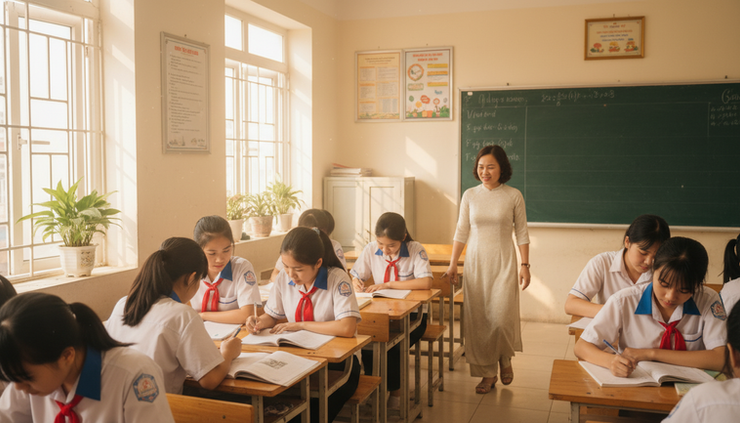
The quality of teaching matters, but so does the quality of attention. Teenagers change quickly during high school. A student who seems confident in Grade 10 may struggle in Grade 11. Another who starts quietly may grow into a leader with the right support.
Good private schools usually have systems for noticing these changes. They may use homeroom teachers, academic advisors, counsellors, dormitory supervisors, or regular parent updates. The exact model matters less than whether it works in daily life.
During a school visit, pay attention to how staff talk about students. Do they speak only about scores, or do they also mention character, responsibility, confidence, and wellbeing? Can they explain how they respond when a student misses assignments, faces friendship issues, or loses motivation?
Ask direct questions:
How often do teachers update families?
What happens when a student’s grades drop?
Is there counselling support for stress or adjustment?
How does the school handle discipline?
How are students supported when they join mid-year or from another province?
What role does the homeroom teacher play?
A strong school does not promise that students will never struggle. It shows families how it responds when they do.
Visit the campus at the right time
A campus tour is useful, but the timing matters. A school can look calm and polished during a scheduled event. If possible, visit when students are arriving, changing classes, eating lunch, or joining activities. These moments show the school’s real rhythm.
Look for practical details:
Are classrooms clean, bright, and suitable for the class size?
Do students seem rushed, relaxed, respectful, or disengaged?
Are teachers visible in shared spaces?
Are safety rules clear around gates, stairs, labs, and sports areas?
Is there enough space for breaks and activities?
Are toilets and common areas well maintained?
If boarding is offered, are dormitory rules clear and humane?
Facilities do not need to be luxurious. They need to be clean, safe, and used well. A science lab matters when students actually do experiments. A library matters when students read, research, or study there. A sports field matters when physical activity forms part of school life, not only marketing photos.

Understand fees beyond the headline number
Private school fees can include more than tuition. Families should ask for a full cost picture before making a decision. This reduces stress later and helps compare schools fairly.
Common cost items may include:
Tuition
Meals
Boarding
Uniforms
Textbooks and learning materials
Transport
Clubs or extra activities
Exam preparation
Technology or facility fees
Field trips or camps
Ask which fees are compulsory and which are optional. Also ask about payment schedules, refund policies, and fee changes for the next school year if available. A transparent school should be willing to explain costs in writing.
Price alone should not decide the choice. A lower fee may still be a poor fit if the student lacks support. A higher fee may not be worthwhile if the programme does not match the student’s path. The better question is whether the school gives clear value for the family’s priorities.
Weigh location, travel, and boarding
Ho Chi Minh City traffic can turn a good school into a tiring daily routine. Long travel times may affect sleep, homework, exercise, and mood. For high school students, this matters more than many families expect.
If the school is far from home, compare transport options. Is there a school bus? How long is the route in the morning and late afternoon? What happens when students stay for clubs or extra classes? Can the student travel safely during rainy season?
Boarding can solve some travel issues, especially for families outside the city or students who benefit from structure. Still, boarding is a major lifestyle change. Families should ask about study hours, phone rules, weekend arrangements, supervision, meals, health support, and how homesickness is handled.
A suitable boarding environment should feel orderly but not harsh. Teenagers need structure, but they also need rest, privacy, and trusted adults.
Read the school culture between the lines
School culture is the part families often sense before they can describe it. It appears in how students greet visitors, how teachers answer difficult questions, how discipline is explained, and how the school talks about success.
Some schools define success mainly through exam scores. Others emphasise character, service, faith values, leadership, creativity, or independence. None of these is automatically better. The right culture depends on the student and family expectations.
During conversations with school staff, listen for balance. A healthy culture values achievement, but it also respects effort and growth. It sets rules, but it explains them. It prepares students for exams, but it recognises that teenagers are still developing emotionally and socially.
Useful signs include:
Students can describe school rules clearly
Teachers know how to discuss both strengths and weaknesses
The school celebrates different kinds of achievement
Families receive honest answers, not only polished claims
Older students seem comfortable speaking about their experience
If possible, speak with current parents or alumni. Personal stories are not perfect evidence, but repeated patterns can reveal a lot.
Make a shortlist and compare schools side by side
After visits and conversations, families often feel overwhelmed. A simple shortlist can make the decision clearer. Choose three to five schools that meet the basic requirements, then compare them against the same criteria.
Use a scoring method if it helps, but do not let numbers replace judgement. A school with an average score might still be the best fit if it solves the student’s biggest need.
Factor | Questions to ask |
Academic fit | Will the student be challenged without being overwhelmed? |
Student care | Who notices when the student struggles? |
Communication | Are parent updates clear and timely? |
Culture | Do the values match the family’s expectations? |
Fees | Are all costs clear and manageable? |
Location | Can the student maintain a healthy daily routine? |
Future pathway | Does the school prepare students for realistic next steps? |
It also helps to involve the student. Parents carry the responsibility, but the student will live the daily experience. Ask for their impressions after each visit. What felt welcoming? What felt stressful? Which teachers or students made an impression? These answers can reveal concerns that adults miss.
Common mistakes to avoid
Many school decisions go wrong because families focus on one impressive feature and ignore daily fit. A school can have strong facilities but weak communication. Another may have excellent exam results but a pace that drains a particular student. A third may feel friendly but lack structure for Grade 12 goals.
Avoid these common mistakes:
Choosing only by reputation
Comparing fees without comparing support
Ignoring travel time
Assuming a bigger campus means better learning
Asking only about top students
Forgetting the student’s personality
Missing the details of boarding life
Waiting until the last minute to prepare documents
The best decisions come from both emotion and evidence. A school should feel right, but it should also answer practical questions clearly.
A practical next step for families
A thoughtful search takes time, but it does not need to be confusing. Start with the student’s needs, visit campuses, ask specific questions, and compare schools using the same criteria. The right private high school should offer more than lessons. It should provide structure, care, and a community where a teenager can mature.
For families researching options in Vietnamese, this detailed guide to a private high school in Ho Chi Minh City can be a useful next read.
The final choice should give both parent and student a sense of clarity. Not perfection, because no school can offer that. The goal is a place where the student can study with purpose, build good habits, and step into the next stage with confidence.


Comments